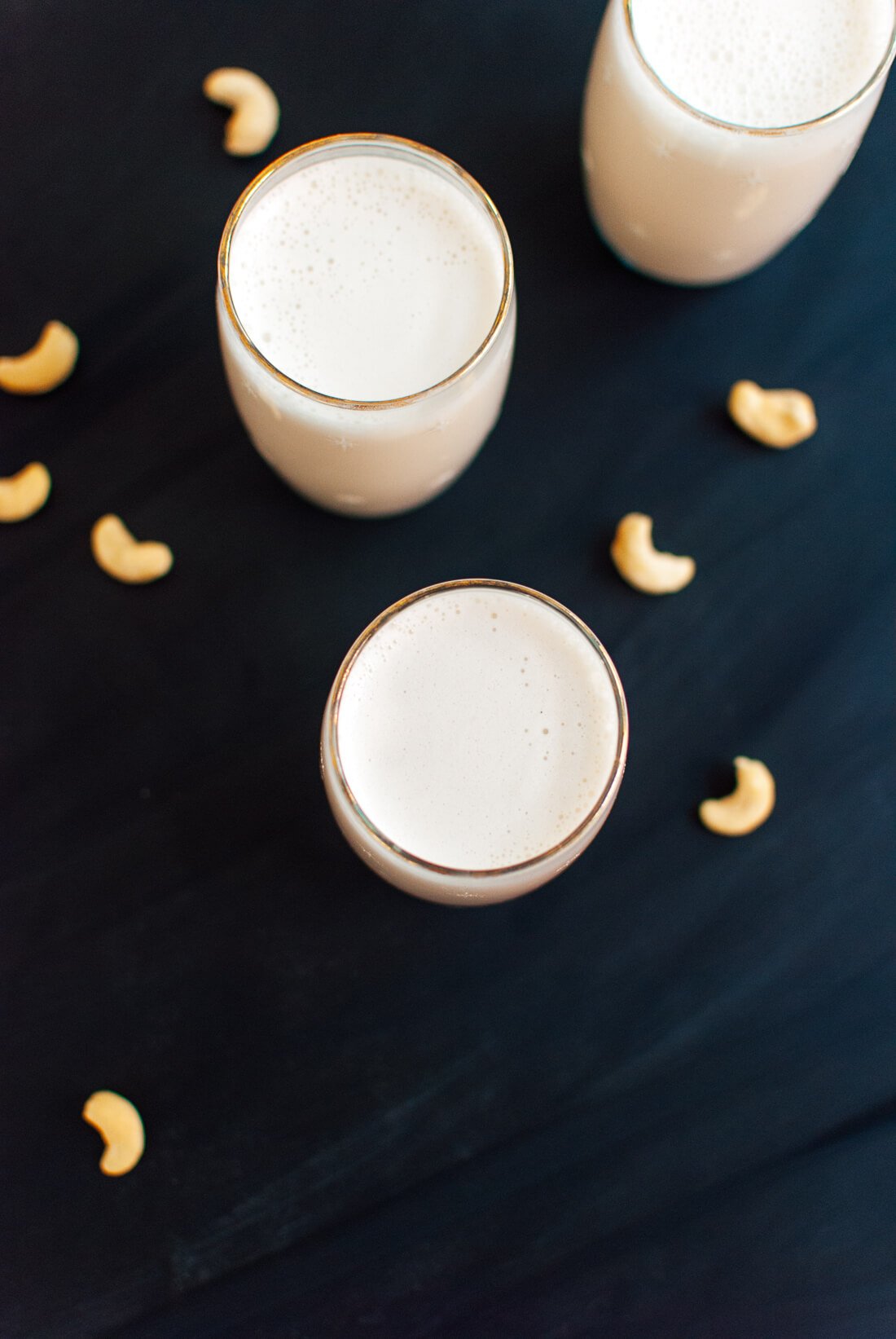
Unlock the Creamy Secret: Why Homemade Cashew Milk is Your New Go-To
Imagine a luxuriously smooth, dairy-free milk that's not only incredibly easy to make but also incredibly kind to your wallet and the planet. This isn't a dream; it's the reality of homemade cashew milk! Ditch the endless cartons, the mysterious additives, and the frustrating process of straining. We're talking about a quick, versatile, and healthy alternative that will revolutionize your kitchen. Forget about finding the perfect store-bought option – your ideal creamy concoction is just minutes away, blending simplicity with incredible flavor.
At the heart of its appeal is the truly remarkable ease of preparation, particularly the game-changing fact that for most recipes, this zero waste homemade cashew milk requires absolutely *no straining*. That's right, no messy nut milk bags, no squeezing out every last drop, and best of all, no leftover pulp to contend with. Every piece of that nutritious cashew is perfectly incorporated, leaving you with a silky-smooth beverage that’s ready to enjoy straight from the blender. If you're looking to simplify your life, save money, and make a conscious choice for a more sustainable lifestyle, then delving into the world of homemade cashew milk is an absolute must.
The Unbeatable Zero-Waste Advantage of Homemade Cashew Milk
The term "zero waste" often conjures images of complex recycling schemes or drastic lifestyle changes. When it comes to your kitchen, however, achieving zero waste can be as simple and satisfying as blending your own cashew milk. The primary reason this particular non-dairy milk stands out in the zero-waste category is its unique ability to fully integrate all components. Unlike almond or oat milk, which often leave behind a fibrous pulp that needs to be either discarded or repurposed (which, let's be honest, often doesn't happen), cashews blend down completely into a smooth, creamy liquid. This means no food waste, no extra steps, and no guilt.
Beyond the pulp-free benefit, opting for homemade cashew milk dramatically reduces your household's plastic consumption. Think about it: every store-bought carton of non-dairy milk contributes to the ever-growing pile of single-use plastics. By making your own, you're embracing reusable containers – typically a glass mason jar – and significantly cutting down on packaging waste. This simple shift has a powerful cumulative effect, making your daily coffee, cereal, or smoothie a conscious act of environmental stewardship.
Financially, the savings are also considerable. Nut milks, especially those without additives or made from organic ingredients, can be surprisingly expensive in stores. Buying raw cashews in bulk, however, offers a much more economical solution. Many co-ops, health food stores, and even larger supermarkets now offer bulk bins where you can purchase just the amount you need using your own reusable cotton bag. This not only saves you money in the long run but also further reduces packaging. For an even deeper dive into this eco-friendly practice and how it translates to savings, be sure to check out our comprehensive guide:
Zero Waste Cashew Milk: The No-Strain Homemade Recipe. It’s a win-win for both your budget and the planet!
Crafting Your Perfect Batch: Simple Ingredients, Stunning Results
Making homemade cashew milk is astonishingly straightforward, requiring just a few basic ingredients and a blender. The beauty lies in its simplicity, allowing you to control every aspect of what goes into your cup.
Essential Ingredients:
- Raw Cashews: This is your star ingredient. Always opt for raw, unsalted cashews. Raw cashews blend into a much smoother consistency without leaving behind gritty particles, and you avoid any unwanted saltiness. Buying them in bulk is the most economical and eco-friendly choice. Once home, store your cashews in the freezer; they tend to go rancid quickly at room temperature. The great news? You can use them directly from the freezer – no thawing necessary for this recipe! While some recipes suggest soaking cashews to soften them, for a high-speed blender, using frozen or un-soaked cashews works perfectly well and saves you an extra step. If you only have roasted cashews on hand, they can work in a pinch, but be aware they might result in a slightly different flavor and potentially a bit more pulp, which you *might* choose to strain if you're particular about texture.
- Filtered Water: The quality of your water will directly impact the taste of your milk. Filtered water is recommended for the purest flavor, though tap water can be used if you prefer. The ratio of cashews to water determines the creaminess – generally, ½ cup cashews to 3-4 cups of water yields a good consistency for drinking, but you can adjust for a thicker or thinner milk.
- Optional Sweeteners: For a touch of sweetness, maple syrup or Medjool dates are excellent natural choices.
- Maple Syrup: A tablespoon of maple syrup adds a subtle, warm sweetness.
- Medjool Dates: Two pitted Medjool dates provide a rich, caramel-like sweetness and added nutrients. If using dates, you might need to add a splash more water to maintain the desired consistency, as they can thicken the milk slightly.
- Optional Flavor Enhancers:
- Vanilla Extract/Powder: A teaspoon of vanilla extract or a pinch of vanilla powder elevates the flavor, making it perfect for sweet applications.
- Pinch of Salt: A tiny pinch of sea salt can actually enhance the sweetness and round out the flavors, similar to how it's used in baking.
Simple Instructions:
- Combine ½ cup raw cashews, your chosen sweetener (maple syrup or dates), vanilla (if using), and 1 cup of filtered water in a high-speed blender.
- Blend on high until the mixture is incredibly smooth and creamy – this might take 1-2 minutes, depending on your blender. You want to ensure there are absolutely no gritty bits remaining.
- Add the remaining 2-3 cups of filtered water (adjust based on desired thickness) and blend again until fully incorporated and smooth.
- Pour your freshly made cashew milk into a clean mason jar or airtight container and enjoy! No straining needed.
Store your homemade cashew milk in the refrigerator, where it will stay fresh for 3-4 days. It's best enjoyed cold, so allow it to chill for a bit before serving if you've just made it.
Beyond the Basics: Customization and Versatile Uses
The real magic of homemade cashew milk lies in its incredible versatility. It's a blank canvas ready to be flavored to your liking and used in countless ways, both sweet and savory.
Tailor Your Taste:
- Adjusting Creaminess: Want a thicker, more luxurious milk for lattes or a richer base for ice cream? Reduce the amount of water slightly (e.g., 2.5 cups instead of 3). For a lighter, more pourable milk perfect for cereal, add a bit more water.
- Flavor Variations:
- Chocolate Cashew Milk: Add 1-2 tablespoons of unsweetened cocoa powder or cacao powder during the initial blending stage for a delicious treat.
- Spiced Cashew Milk: A pinch of cinnamon, nutmeg, or pumpkin pie spice transforms it into a cozy beverage, especially perfect for fall.
- Nutty Notes: If you enjoy a stronger nutty flavor, you can lightly toast your cashews before blending (though this might require a bit more blending time or a quick pre-soak to ensure smoothness).
Endless Applications:
- Sweet Delights:
- Breakfast Staple: Pour it over your favorite oatmeal, granola, or cereal for a creamy start to your day.
- Smoothie Enhancer: It provides a rich, smooth base for any fruit or vegetable smoothie, adding a boost of healthy fats.
- Lattes and Coffee: Froths beautifully, making it an excellent choice for homemade lattes, cappuccinos, or simply a creamy addition to your morning coffee.
- Vegan Baking: Substitute it cup-for-cup in most vegan baking recipes for a rich, moist result in cakes, muffins, and pancakes.
- Desserts: A fantastic base for vegan milkshakes, puddings, or even homemade ice cream.
- Savory Creations: This is where unsweetened cashew milk truly shines. If you plan to use it in savory dishes, simply omit the maple syrup, dates, and vanilla.
- Creamy Soups: It can be used as a luscious, dairy-free base for creamy tomato soup, mushroom soup, or butternut squash soup.
- Curries and Stews: Adds richness and body to your favorite curries and stews without the need for coconut milk or cream.
- Sauces: Create a velvety pasta sauce, a dairy-free béchamel, or a rich gravy. Its neutral flavor blends seamlessly.
- Dressings: Thicken homemade salad dressings or create creamy dips.
Why Choose Homemade: Health, Wealth, and Environmental Wellbeing
The decision to make your own cashew milk goes far beyond just a simple recipe; it's a conscious choice that positively impacts your health, your finances, and the environment. When you make your own, you gain complete control over the ingredients, eliminating the need for commercial additives.
Store-bought non-dairy milks often contain a list of ingredients that can be concerning for health-conscious consumers. These frequently include:
- Gums (e.g., gellan gum, locust bean gum): Used as thickeners and stabilizers, these can sometimes cause digestive upset for sensitive individuals.
- Stabilizers (e.g., carrageenan): A common additive, carrageenan has been a subject of debate regarding its potential inflammatory effects.
- Emulsifiers (e.g., sunflower lecithin): While often derived from natural sources, some prefer to avoid them.
- Added Oils and Sugars: Many commercial brands include oils like sunflower oil for mouthfeel and excessive amounts of added sugars, which can undermine the health benefits of choosing a plant-based milk.
With homemade cashew milk, your ingredient list is clean and simple: cashews, water, and perhaps a natural sweetener and vanilla. This ensures you're consuming only pure, wholesome ingredients, free from anything artificial or unnecessary. This transparency makes homemade milk a superior choice for those prioritizing their dietary well-being. For more insights on the benefits of skipping additives, consider exploring
Easy Homemade Cashew Milk: Save Money & Skip Additives.
Financially, the long-term savings are significant. While the initial cost of raw cashews might seem higher than a single carton of milk, buying in bulk drastically reduces the per-serving price. Over weeks and months, these savings accumulate, proving that healthy and sustainable choices don't have to break the bank.
Environmentally, embracing zero waste homemade cashew milk is a powerful statement. By reducing plastic packaging, minimizing food waste, and often choosing bulk ingredients, you're actively participating in a more sustainable food system. It's a small change with a ripple effect, contributing to a healthier planet for everyone.
Embracing the simplicity of homemade cashew milk is a delicious decision with far-reaching benefits. From its quick, no-strain preparation to its remarkable versatility in both sweet and savory dishes, it truly stands out as a superior dairy-free option. By choosing to make your own, you're not only guaranteeing a healthier, additive-free beverage for your family, but you're also making a tangible positive impact on your finances and the environment through its inherent zero-waste nature. So, grab your cashews, fire up your blender, and discover the creamy, wholesome goodness of this kitchen game-changer.