Unlock Effortless Sustainability: Your Guide to Zero Waste Homemade Cashew Milk
Are you tired of constantly buying expensive, plastic-laden cartons of non-dairy milk? Do you cringe at the thought of mysterious additives and stabilizers in your daily latte? Imagine a world where your homemade nut milk is not only incredibly easy and delicious but also produces absolutely no waste. Welcome to the revolutionary realm of zero waste homemade cashew milk – a game-changer for your kitchen, your wallet, and the planet.
This isn't just another DIY recipe; it's an invitation to embrace a simpler, healthier, and more sustainable lifestyle. Cashew milk stands out as the ultimate star in the homemade non-dairy universe for one colossal reason: the no-strain method. That's right, no fiddly nut milk bags, no squeezing, and absolutely no leftover pulp to contend with. Just pure, silky-smooth goodness from start to finish. If you're seeking an easy, budget-friendly solution to at-home non-dairy milk that's free from gums and preservatives, you've found your holy grail.
The Unbeatable No-Strain Advantage: A Game-Changing Difference
For many aspiring homemade nut milk enthusiasts, the thought of straining and dealing with leftover pulp is enough to deter them. Almond milk, oat milk, and others often require a separate step involving a nut milk bag to achieve a smooth texture, leading to extra cleanup and sometimes, food waste. This is where cashew milk truly shines and earns its "zero-waste" badge with pride.
Unlike other nuts, raw cashews possess a unique soft texture that, when blended thoroughly with water in a high-speed blender, completely disintegrates. The result is an inherently creamy, smooth liquid that incorporates every single part of the cashew. This means:
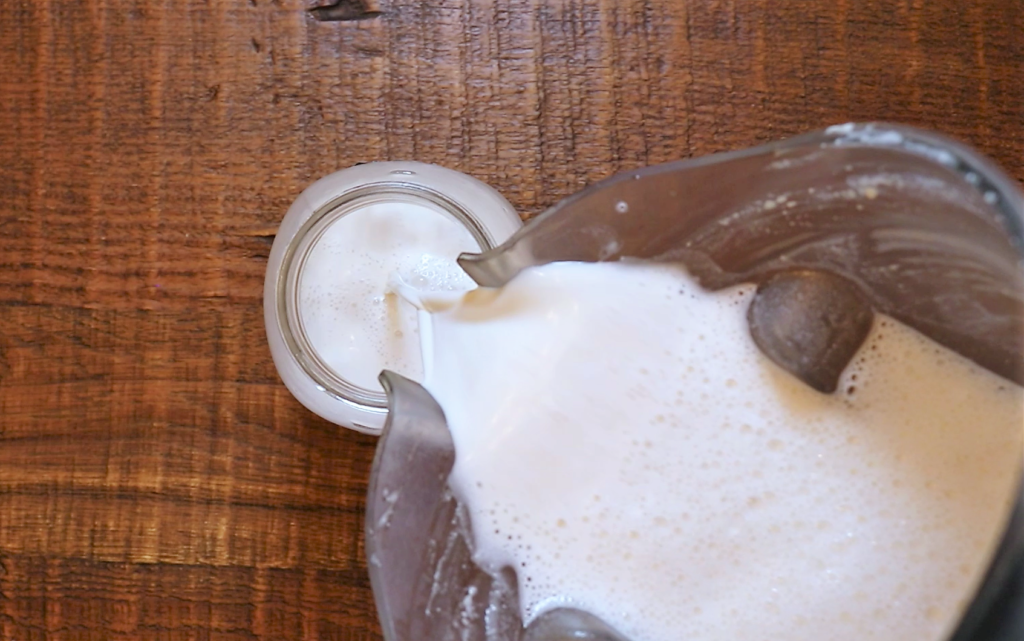
- No Straining Required: You can literally pour your freshly blended cashew milk directly into your glass or container.
- Zero Pulp Waste: Every bit of the cashew is utilized, contributing to a truly zero-waste approach. This saves you the headache of finding creative uses for leftover pulp or, worse, tossing it.
- Retained Nutrients: By not straining, you retain all the fiber, vitamins, and minerals present in the whole cashew, making your milk more nutritious.
- Time & Effort Saver: Skip the extra equipment, the messy squeezing, and the subsequent cleanup. This simplicity makes homemade cashew milk a genuinely quick and hassle-free endeavor.
This inherent creaminess and no-strain quality make cashew milk incredibly versatile. It's not just a beverage; it's a culinary secret weapon. You can enjoy it in oatmeal, cereal, smoothies, lattes, and vegan milkshakes, or use it as a creamy base for vegan baking. The possibilities are truly endless, and it’s a foundational component for those looking to expand their plant-based cooking. For more inspiration on saving money and skipping additives, check out our guide on Easy Homemade Cashew Milk: Save Money & Skip Additives.
Crafting Your Zero-Waste Cashew Milk: The Simple Recipe
Making your own zero waste homemade cashew milk is astonishingly simple. With just a few ingredients and a good blender, you'll be enjoying fresh, additive-free goodness in minutes. The key here is using raw cashews and a powerful blender to ensure that luxurious, strain-free consistency.
Ingredients:
- ½ cup raw cashews (Crucial for the no-strain method!)
- 3 cups filtered water
- 1 tbsp maple syrup OR 2 medjool dates (pitted), optional, for sweetness
- 1 tsp vanilla extract OR pinch of vanilla powder, optional, for flavor
Equipment:
- High-speed blender (essential for a truly smooth, no-strain result)
- Airtight container, such as a mason jar, for storage
Instructions:
- Initial Blend: Combine the raw cashews, your chosen sweetener (maple syrup or dates), vanilla (if using), and 1 cup of the filtered water in your high-speed blender. Blend on high until the mixture is incredibly smooth and creamy. This usually takes 1-2 minutes, depending on your blender. You want to see no visible cashew pieces.
- Add Remaining Water: Pour in the remaining 2 cups of filtered water. Blend again until everything is fully incorporated and smooth. This step ensures an even consistency throughout your milk.
- Pour and Enjoy: That's it! Pour your freshly made cashew milk into a mason jar or other airtight container. There's absolutely no need for straining, and you'll have no leftover pulp to deal with. Enjoy immediately, or refrigerate until chilled.
Notes & Tips:
- Cashew Quality: Always opt for raw, unsalted cashews. Roasted cashews can result in a grainier texture and may require straining.
- Soaking (Optional): While not strictly necessary for a high-speed blender and raw cashews, some prefer to soak cashews for 30 minutes to 2 hours (or even overnight) to make them even softer and potentially easier on less powerful blenders. If soaking, rinse thoroughly before blending. For this no-strain recipe, you can typically use raw cashews straight from the bag or freezer.
- Sweetener Adjustments: If using dates, you might need a tiny bit more water to maintain the desired consistency, as dates can make the milk thicker. Adjust sweetness to your preference.
- Bulk Buying: To truly embrace the zero-waste aspect and save money, purchase raw cashews in bulk. Many co-ops, health food stores, and even some larger grocery chains offer bulk bins. Bring your own reusable cotton bag to minimize plastic waste!
- Storage: Cashews can go rancid easily. Store bulk cashews in the freezer to keep them fresh. You can use them directly from the freezer in this recipe.
Beyond the Basics: Customization & Creative Uses
The beauty of homemade cashew milk lies not just in its simplicity and zero-waste nature, but also in its incredible adaptability. This isn't a one-trick pony; it's a versatile culinary chameleon ready to elevate countless dishes.
Flavor Variations:
- Sweetness Level: Easily adjust the amount of maple syrup or dates to your liking, or omit them entirely for an unsweetened version. You could also experiment with agave nectar or a few drops of liquid stevia.
- Spice It Up: Add a pinch of cinnamon, nutmeg, cardamom, or even a tiny dash of sea salt (which enhances sweetness) to the blender for a spiced milk.
- Chocolate Lover's Dream: For homemade chocolate milk, blend in 1-2 tablespoons of unsweetened cocoa powder with your cashews.
- Espresso Boost: A few coffee beans blended with the cashews and water can create a delightful coffee-infused milk perfect for lattes.
Texture & Consistency:
One of the most powerful ways to customize your cashew milk is by adjusting the water-to-cashew ratio. More cashews will yield a thicker, richer milk, while more water will result in a lighter, thinner consistency.
- Thinner Milk (More Water): Ideal for cereal, coffee, tea, or simply for drinking on its own.
- Medium Consistency: Perfect for smoothies, lattes, or as a general-purpose dairy alternative.
- Thick & Creamy (Less Water, More Cashews): This dense version can act as a fantastic vegan cream replacement. Use it to thicken savory dishes like soups, curries, stews, or for incredibly decadent vegan milkshakes and rich sauces.
Savory Applications:
Remember that unsweetened cashew milk is a powerful ingredient for savory cooking. Its creamy texture provides an excellent base without overpowering other flavors. Think creamy tomato soups, rich curries, white sauces, or even a luscious vegan mac and cheese.
The ability to tailor your cashew milk to specific needs makes it an indispensable pantry staple for any plant-based kitchen. Its quick preparation and healthy benefits mean you'll wonder why you ever bought store-bought cartons. For more ideas on how to make your cashew milk quick, versatile, and healthy, explore our article on Creamy Homemade Cashew Milk: Quick, Versatile & Healthy.
Zero Waste, Zero Hassle: Storing Your Homemade Goodness
Embracing the zero waste homemade cashew milk lifestyle extends beyond its creation to its storage. Say goodbye to single-use plastic cartons and hello to reusable, sustainable solutions.
- Storage Vessel: Always store your homemade cashew milk in a clean, airtight container, preferably a glass mason jar. This not only keeps it fresh but also aligns with your zero-waste goals by eliminating plastic.
- Refrigeration: Keep your cashew milk in the coldest part of your refrigerator. Chilling it will not only improve its taste but also extend its shelf life.
- Shelf Life: Homemade cashew milk, free from stabilizers and preservatives, will typically last for 3-4 days in the fridge. You might notice a slight separation of ingredients over time; simply give it a good shake before each use.
- Freshness Indicator: Always perform a quick sniff test before consuming. If it smells sour or off, it's best to discard it.
By making your own cashew milk, you're not just creating a delicious product; you're actively reducing your household waste, decreasing your carbon footprint, and supporting a more sustainable food system. It's a small change with a significant positive impact.
Making your own zero waste homemade cashew milk is a simple yet profoundly impactful step towards a more sustainable, healthier, and cost-effective lifestyle. From its effortless no-strain preparation to its incredible versatility in both sweet and savory dishes, this dairy-free alternative truly has it all. Ditch the cartons, embrace the blender, and savor the satisfaction of creating something wonderful from scratch, with absolutely no waste. Your taste buds, your wallet, and the planet will thank you.
